
Government job
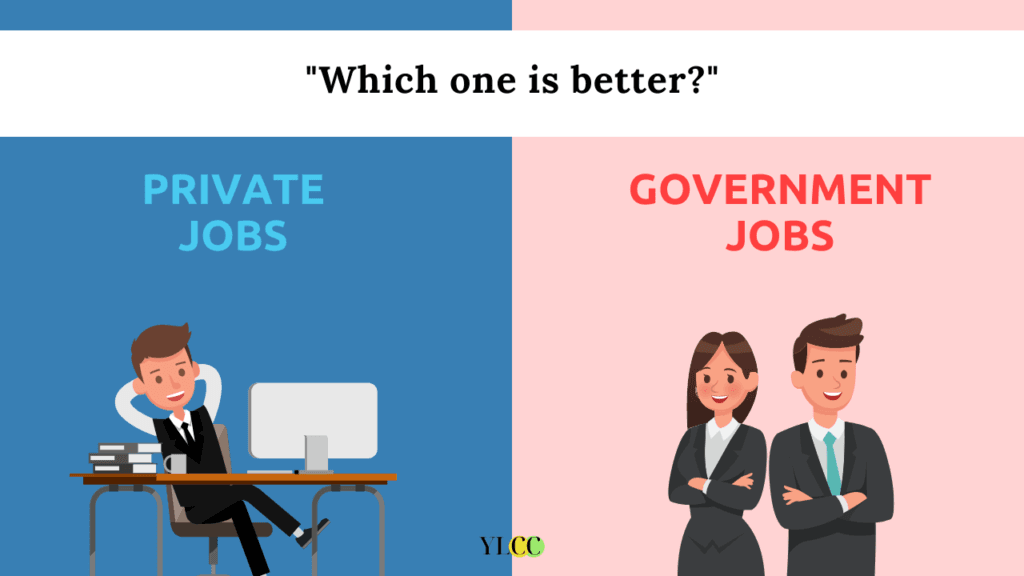
Government jobs offer a range of benefits that make them highly sought after. Here are some key advantages:
1. Job Security
- Stability: Government jobs are generally more stable than private-sector jobs, with lower risk of layoffs or downsizing.
- Pension Plans: Most government positions offer guaranteed pension plans after retirement.
2. Work-Life Balance
- Fixed Working Hours: Government employees often have fixed working hours, with fewer demands for overtime.
- Holidays: They typically enjoy more public holidays, along with paid leaves like sick leave, maternity leave, and annual leave.
3. Salary and Perks
- Competitive Salaries: Government jobs usually offer decent pay, with regular increments based on experience and tenure.
- Allowances: Employees often receive allowances for housing, transportation, and medical expenses.
- Bonuses: Annual or bi-annual bonuses are common in many government sectors.
4. Health and Insurance Benefits
- Medical Insurance: Government employees often receive comprehensive health insurance coverage for themselves and their dependents.
- Retirement Benefits: Besides pensions, there are other retirement benefits like the General Provident Fund (GPF) and gratuity.
5. Career Growth and Development
- Promotions: Regular promotions based on seniority and performance are typical, providing a clear career progression path.
- Training Programs: Government employees often have access to professional development and training programs.
6. Social Status
- Respect and Prestige: Government jobs are often associated with higher social status and respect in society.
7. Post-Retirement Benefits
- Pension: As mentioned, pensions are a significant benefit, providing financial security after retirement.
- Health Care: Many government jobs include continued health care benefits even after retirement.
8. Job Satisfaction
- Serving the Public: Many find satisfaction in contributing to the public good and serving their country or community.
- Transfer Opportunities: Government jobs offer the flexibility of transfers across different locations and departments, adding variety to one’s career.
These benefits collectively make government jobs a preferred choice for many job seekers.
Private Job Advantages :
- Higher Salary Potential: Private sector jobs often offer competitive salaries and the potential for salary growth through bonuses, commissions, and performance-based incentives.
- Career Growth: The private sector generally provides more opportunities for rapid career advancement, with promotions and raises often tied directly to individual performance.
- Diverse Opportunities: There are many industries and job roles available in the private sector, allowing for greater flexibility in career choices and the ability to switch fields if desired.
- Dynamic Work Environment: Private companies often have fast-paced, dynamic work environments that can be exciting and challenging, attracting those who thrive in such settings.
- Performance-Based Rewards: Private sector jobs frequently reward high-performing employees with bonuses, promotions, and other incentives, which can be motivating.
- Innovation and Creativity: Private companies often encourage innovation and creativity, allowing employees to contribute new ideas and solutions.
- Access to Latest Technology: Private sector companies often invest in the latest technologies, giving employees the chance to work with cutting-edge tools and resources.
- Work Flexibility: Many private companies offer flexible work hours, remote work options, and other benefits that support a better work-life balance.
Disadvantages of a Private Job:
- Job Insecurity: The private sector can be less stable, with job security often tied to company performance. Layoffs and downsizing can occur during economic downturns or organizational changes.
- High Pressure: Private sector jobs can come with high expectations and pressure to meet performance targets, which can lead to stress and burnout.
- Long Working Hours: Employees in the private sector often work long hours, especially in competitive industries or during peak project times, which can affect work-life balance.
- Less Job Protection: Compared to the public sector, private sector jobs may offer fewer protections against unfair dismissal or changes in employment terms.
- Limited Benefits: While some private companies offer excellent benefits, others may provide fewer benefits such as healthcare, pensions, and paid leave compared to public sector jobs.
- Frequent Changes: The private sector is often subject to frequent changes in management, company policies, and job roles, which can be challenging for employees who prefer stability.
- Focus on Profit: The primary focus of private companies is often on profitability, which can sometimes lead to a lack of investment in employee development or job satisfaction.
- Competition: The private sector can be highly competitive, with employees often needing to continuously prove their value to stay ahead.
Here’s a table comparing government jobs and private jobs:
| Aspect | Government Jobs | Private Jobs |
|---|---|---|
| Job Security | High; job security is one of the key benefits. | Lower; job security depends on company performance and market conditions. |
| Salary | Generally fixed with periodic increments. | Varies widely; potential for higher earnings based on performance. |
| Work Hours | Typically fixed (e.g., 9 AM to 5 PM). | Often longer and may include overtime or irregular hours. |
| Work-Life Balance | Generally better; more predictable hours. | Can be challenging due to long hours and work pressure. |
| Promotions | Based on tenure and clear criteria. | Often based on performance and targets, can be quicker. |
| Benefits | Extensive; includes pensions, healthcare, and other perks. | Varies; may include bonuses, health insurance, and other perks depending on the company. |
| Job Stability | High; less affected by economic fluctuations. | Lower; more vulnerable to economic downturns and company-specific issues. |
| Transferability | Transfers within departments or locations are common. | Limited; generally tied to company needs and location. |
| Retirement | Fixed retirement age with pension plans. | Varies; often relies on private savings and retirement plans. |
| Training & Development | Periodic and standardized training programs. | Often depends on company resources and priorities. |
| Hiring Process | Competitive exams, merit-based. | Interviews, qualifications, experience, and skill-based. |
| Job Satisfaction | Can be high due to stability and benefits. | Varies widely depending on role, company culture, and personal goals. |