
Explore Delhi: 10 Must-Visit Places That Capture the Heart of India's Capital
Delhi, the vibrant heart of India, beckons travelers with its rich history, cultural diversity, and architectural wonders. Whether you’re a history buff, a food enthusiast, or simply seeking new experiences, Delhi offers something for everyone. Here’s our curated list of the top 10 places you must visit when in Delhi:
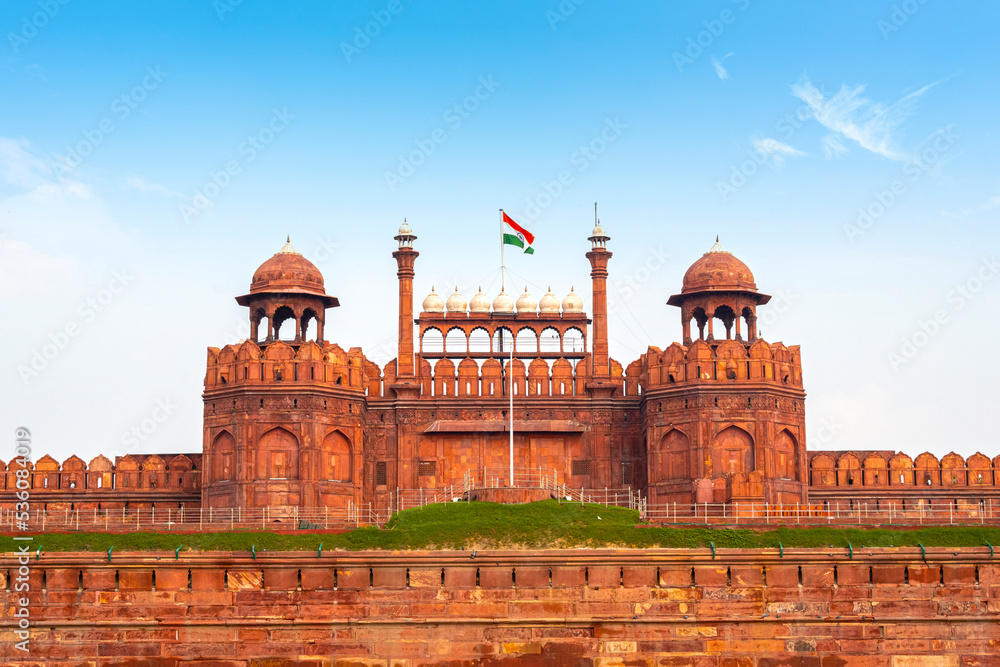
1. Red Fort (Lal Qila)
- Description: Step into the grandeur of Mughal architecture at the Red Fort, a UNESCO World Heritage Site and symbol of India’s rich history. Built by Emperor Shah Jahan between 1638 and 1648, this imposing fortress served as the residence of Mughal emperors for centuries. Wander through its majestic palaces, elegant gardens, and intricate pavilions that echo tales of the empire’s glory. Don’t miss the captivating Light and Sound Show in the evening, which vividly narrates the fort’s storied past, making it an immersive experience for visitors of all ages. Located in Chandni Chowk, Old Delhi, the fort is easily accessible via the Chandni Chowk Metro Station on the Yellow Line.
- Location: Netaji Subhash Marg, Chandni Chowk, Delhi.
- Nearest Metro: Chandni Chowk Metro Station (Yellow Line).
- Timings: Open every day except Monday, from 9:30 AM to 4:30 PM.
- Entry Fees:
- Indian*: ₹35 per person.
- Foreigners: ₹500 per person.
- Architectural Style: Mughal architecture with influences of Persian design.
- Materials Used: Red sandstone and white marble.
- Significance: A pivotal site in India’s history, the Red Fort witnessed significant events including India’s independence celebrations. Its architectural grandeur and historical importance make it a must-visit in Delhi.
- UNESCO World Heritage Site: Yes.
- Major Structures: Diwan-i-Aam (Hall of Public Audience), Diwan-i-Khas (Hall of Private Audience), Moti Masjid (Pearl Mosque).
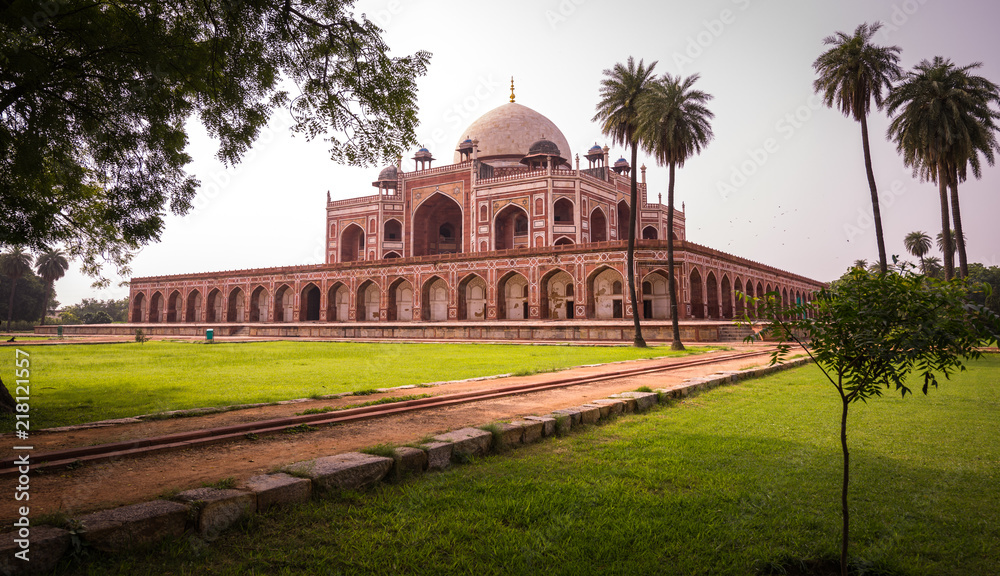
2. Humayun’s Tomb
- Description: Humayun’s Tomb, a UNESCO World Heritage Site, stands as an exquisite example of Mughal architecture’s splendor and symmetry. Commissioned by Empress Bega Begum in memory of her husband, Emperor Humayun, the tomb was completed in 1572. Its garden layout, water channels, and intricate marble lattice work are reminiscent of the iconic Taj Mahal. Located in Nizamuddin East, South Delhi, the tomb’s proximity to the JLN Stadium Metro Station (Violet Line) makes it easily accessible for visitors. Explore the central octagonal chamber housing the tomb, surrounded by four lush gardens in the traditional Charbagh style. Humayun’s Tomb not only reflects the cultural fusion of Persian and Indian architectural styles but also serves as an architectural inspiration for later Mughal constructions.
- Location: Mathura Road, Nizamuddin East, Delhi.
- Nearest Metro: JLN Stadium Metro Station (Violet Line).
- Timings: Open daily from sunrise to sunset.
- Entry Fees:
- Indian*: ₹35 per person.
- Foreigners: ₹500 per person.
- Built by: Empress Bega Begum.
- Materials Used: Red sandstone and white marble.
- Significance: The first garden-tomb on the Indian subcontinent, Humayun’s Tomb is a UNESCO-listed masterpiece that influenced the architecture of the Taj Mahal.
- UNESCO World Heritage Site: Yes.
- Major Structures: Charbagh gardens, central octagonal tomb chamber.
- Historical Significance: Symbolizes the grandeur of the Mughal Empire and its architectural achievements.
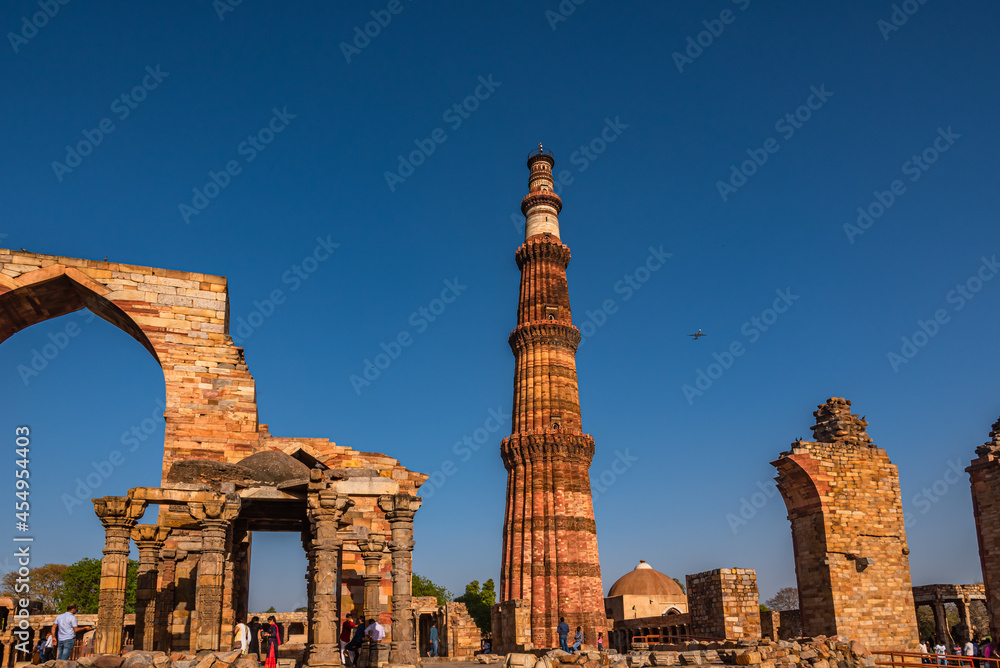
3. Qutub Minar
- Description: Qutub Minar, a UNESCO World Heritage Site, stands tall as the world’s tallest brick minaret, soaring 73 meters into the Delhi sky. Built by Qutb-ud-din Aibak and later completed by Iltutmish, this towering masterpiece of Indo-Islamic architecture symbolizes the advent of Muslim rule in India. The construction began in 1193 and continued over several centuries, adding layers of history and architectural styles. Located in Mehrauli, South Delhi, Qutub Minar is easily accessible via the Qutub Minar Metro Station on the Yellow Line. Explore the intricate calligraphy and geometric patterns adorning its five distinct storeys, each representing a different phase of its construction. Adjacent to the minaret lies the ancient Quwwat-ul-Islam Mosque, the first mosque built in Delhi, adding to the site’s historical significance.
- Location: Mehrauli, Delhi.
- Nearest Metro: Qutub Minar Metro Station (Yellow Line).
- Timings: Open daily from sunrise to sunset.
- Entry Fees:
- Indian*: ₹30 per person.
- Foreigners: ₹500 per person.
- Built by: Qutb-ud-din Aibak, Iltutmish, Firoz Shah Tughlaq.
- Materials Used: Red sandstone and marble.
- Significance: Commemorates the victory of Muslim rule in India; a masterpiece of Indo-Islamic architecture.
- UNESCO World Heritage Site: Yes.
- Major Structures: Qutub Minar, Quwwat-ul-Islam Mosque, Alai Darwaza.
- Historical Significance: Witnessed Delhi’s evolution under different dynasties, reflecting the cultural exchange and architectural achievements of its time.
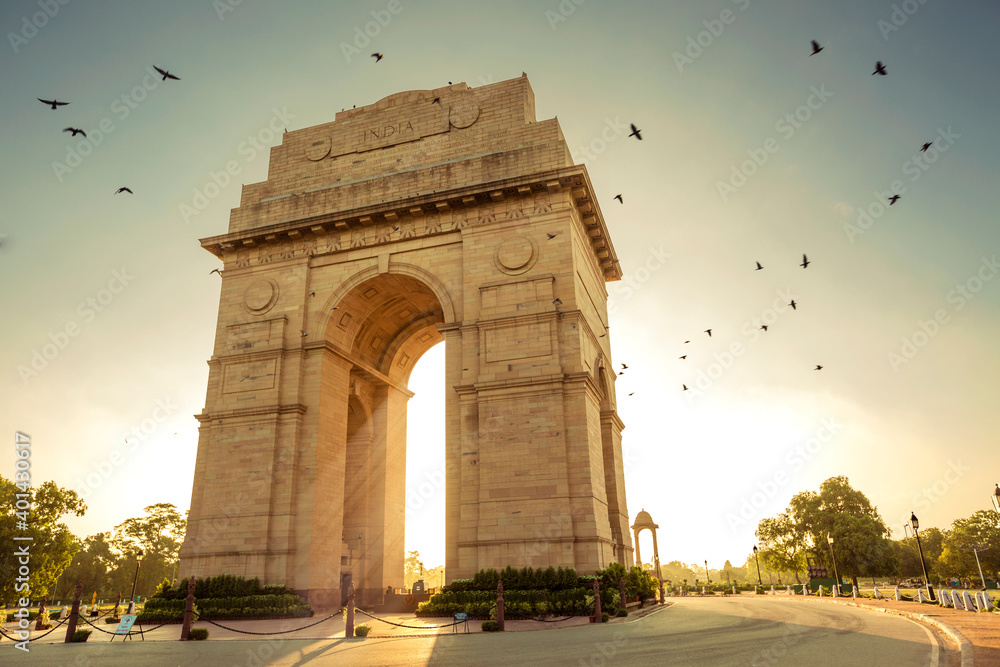
4. India Gate
India Gate is a prominent war memorial located in the heart of New Delhi. Built in 1921, it commemorates the Indian soldiers who lost their lives in World War I. Surrounded by lush lawns, it’s a popular spot for picnics and evening strolls.
- Location: Rajpath, New Delhi
- Nearest Metro: Central Secretariat Metro Station
- Timings: Open 24 hours; Illuminated from 7:00 PM to 9:30 PM
- Entry Fees: Free
- Built by: Edwin Lutyens
- Construction Period: 1921
- Architectural Style: British Imperial
- Materials Used: Yellow sandstone
- Significance: National monument; symbol of India’s freedom struggle
- UNESCO World Heritage Site: No
- Tourist Attraction: Amar Jawan Jyoti (eternal flame), war memorial ceremonies
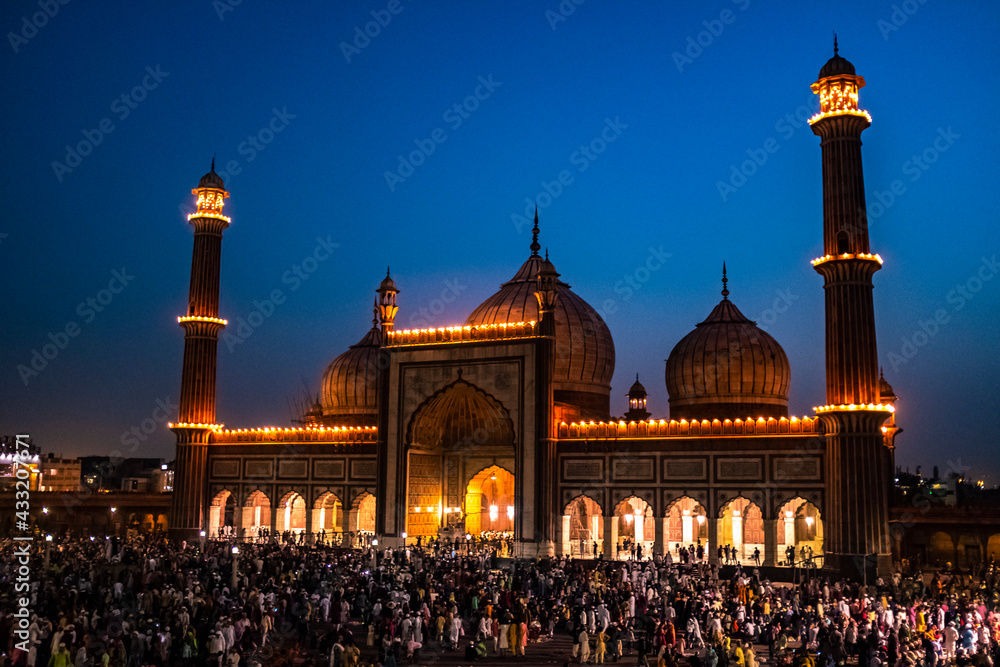
5. Jama Masjid
Jama Masjid is one of the largest mosques in India, built by Emperor Shah Jahan between 1644 and 1656. Located in Old Delhi, it boasts a vast courtyard capable of accommodating thousands of worshippers. Its stunning architecture reflects the grandeur of Mughal design.
- Location: Chandni Chowk, Old Delhi
- Nearest Metro: Chawri Bazar Metro Station
- Timings: 7:00 AM to 12:00 PM, 1:30 PM to 6:30 PM; Closed during prayer times
- Entry Fees: Free for all, ₹300 for camera
- Built by: Emperor Shah Jahan
- Construction Period: 1644-1656
- Architectural Style: Mughal
- Materials Used: Red sandstone, marble
- Significance: Important religious site; showcases Mughal architecture
- UNESCO World Heritage Site: No
- Tourist Attraction: Climbing the minaret for panoramic views
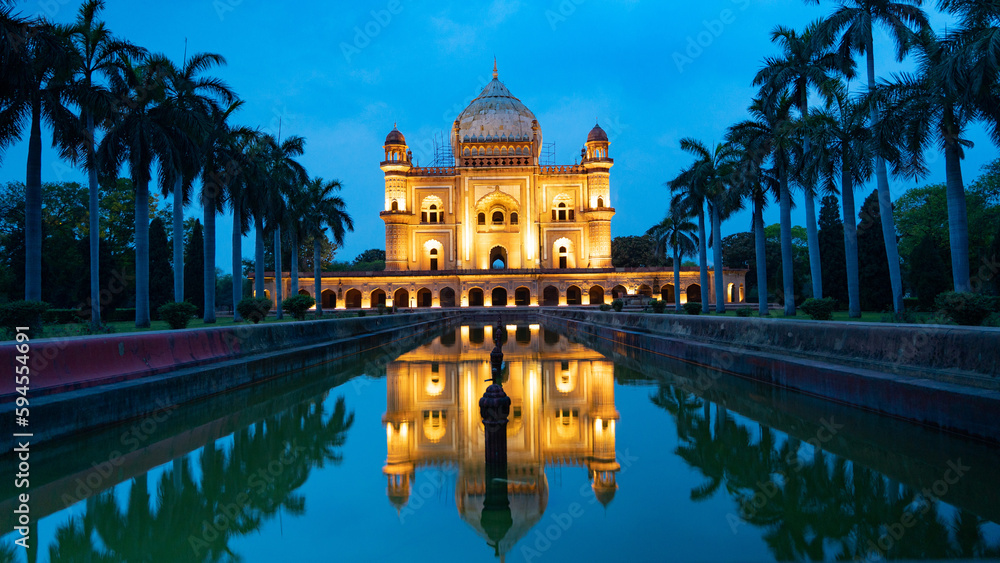
6. Safdarjung’s Tomb
Safdarjung’s Tomb is a mausoleum built in 1754 for Safdarjung, the Prime Minister of the Mughal Emperor Ahmad Shah Bahadur. It’s known for its intricate Mughal architecture and beautiful garden setting.
- Location: Safdarjung Road, New Delhi
- Nearest Metro: Jor Bagh Metro Station
- Timings: 7:00 AM to 5:00 PM; Open all days
- Entry Fees: ₹25 for Indians, ₹300 for foreigners
- Built by: Nawab Shuja-ud-Daula
- Construction Period: 1753-1754
- Architectural Style: Mughal
- Materials Used: Red sandstone, marble
- Significance: Last monumental tomb garden of the Mughals
- UNESCO World Heritage Site: No
- Tourist Attraction: Charbagh garden layout, intricate calligraphy

7.National Museum
The National Museum in Delhi houses an extensive collection of artifacts ranging from ancient sculptures to Mughal paintings. It’s a treasure trove of India’s artistic and cultural heritage, offering insights into the country’s rich history.
- Location: Janpath, New Delhi
- Nearest Metro: Central Secretariat Metro Station
- Timings: 10:00 AM to 6:00 PM; Closed on Mondays
- Entry Fees: ₹20 for Indians, ₹650 for foreigners
- Built by: Government of India
- Construction Period: Established in 1949
- Architectural Style: Modern
- Materials Used: N/A
- Significance: India’s premier museum; showcases diverse cultural heritage
- UNESCO World Heritage Site: No
- Tourist Attraction: Gandhara sculptures, Harappan Civilization artifacts

8. Hauz Khas Village
Hauz Khas Village is a trendy urban village in South Delhi known for its historical charm and vibrant nightlife. It’s home to art galleries, chic boutiques, cafes, and bars, making it a favorite hangout spot among locals and tourists alike.
- Location: Hauz Khas, South Delhi
- Nearest Metro: Hauz Khas Metro Station
- Timings: Varies by establishment; Generally 10:00 AM to late night
- Entry Fees: Free
- Built by: Alauddin Khalji
- Construction Period: 13th century
- Architectural Style: Islamic
- Materials Used: Stone
- Significance: Historical reservoir complex; urban cultural hub
- UNESCO World Heritage Site: No
- Tourist Attraction: Ruins of medieval Islamic seminary, lake views
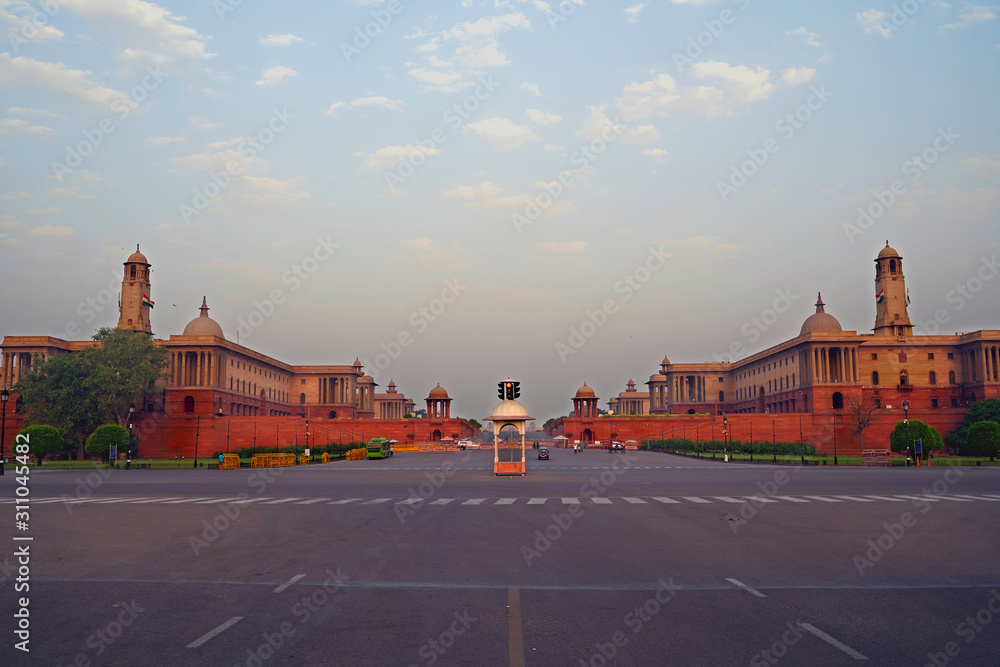
9.Rashtrapati Bhavan (President’s House)
Rashtrapati Bhavan is the official residence of the President of India. Designed by Sir Edwin Lutyens, it’s an architectural masterpiece featuring Mughal, Rajput, and European styles. The sprawling estate includes gardens, museums, and the grand Durbar Hall.
- Location: Raisina Hill, New Delhi
- Nearest Metro: Central Secretariat Metro Station
- Timings: Closed for public visits; Gardens open for public during specified hours
- Entry Fees: Prior online booking required for guided tours
- Built by: Sir Edwin Lutyens
- Construction Period: 1912-1929
- Architectural Style: Indo-Saracenic Revival
- Materials Used: Red and cream sandstone
- Significance: Symbol of Indian democracy; showcases architectural grandeur
- UNESCO World Heritage Site: No
- Tourist Attraction: Mughal Gardens (open for public during spring), Changing of Guard ceremony
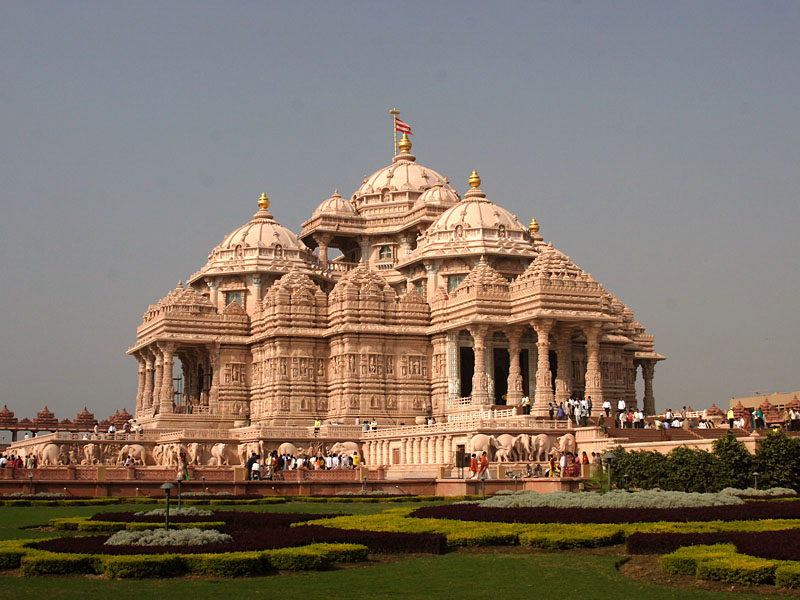
10. Akshardham Temple
Akshardham Temple is a stunning modern Hindu temple complex known for its intricate architecture and spiritual ambiance. Built in 2005, it showcases traditional craftsmanship and offers exhibitions on Indian culture and spirituality.
- Location: NH 24, Akshardham Setu, New Delhi
- Nearest Metro: Akshardham Metro Station
- Timings: 10:00 AM to 6:30 PM; Closed on Mondays
- Entry Fees: Free entry to temple, charges for exhibitions and shows
- Built by: BAPS Swaminarayan Sanstha
- Construction Period: 2000-2005
- Architectural Style: Hindu
- Materials Used: Pink sandstone and marble
- Significance: Spiritual and cultural center; showcases Hindu traditions
- UNESCO World Heritage Site: No
- Tourist Attraction: Boat ride, exhibitions on Indian history